Blog / Silverado EV

Blog

All Silverado EV Buying Guides Trucks Electric Vehicle Silverado 3500HD Silverado 1500 SUV BOLT EV Silverado 2500HD BOLT EUV Suburban Equinox Cars Tahoe Blazer EV Colorado Traverse Blazer Cab Chassis Bed Brands Trailblazer Equinox EV Malibu Trax Camaro CM Beds Owner Experiences Donohoo Chevrolet Service Spark Royal Truck Beds Black Widow / Rocky Ridge Reading
EVheader

Navigating the Shift to Electric: Challenges and Opportunities for Automakers

The automotive world is undergoing a significant transformation, and automakers find themselves at a crucial juncture. The initial rush to embrace electric vehicles (EVs), driven largely by passionate early adopters, is now reaching a pivotal point. As the focus shifts towards the "early majority"—a more price-sensitive group—the challenges are becoming more pronounced. Axios highlights that these mainstream consumers are not easily swayed. Their hesitations arise from concerns about the higher costs of EVs compared to traditional gasoline vehicles, uncertainties surrounding the charging infrastructure, and a belief that more advanced models are on the horizon. The overarching sentiment seems to be: why invest in today's EVs when tomorrow's might be superior? more This consumer sentiment suggests that the trajectory towards a predominantly electric future might not be as swift or smooth as once anticipated. Reacting to these evolving dynamics, many automakers are recalibrating their strategies. They're revisiting pricing models and production targets, but their commitment to an electric future remains unwavering. Diving deeper, GM exemplifies the challenges of this transition. If a GM electric vehicle is on your radar, it's essential to understand the current landscape. A recent Reuters report revealed some production challenges faced by the automotive giant. GM's Chief Financial Officer, Paul Jacobson, addressed these during a J.P. Morgan investor conference. He highlighted battery module assembly as a key challenge, likely stemming from supplier-related issues, a sentiment echoed by CEO Mary Barra. The real-world impact of these challenges is evident in the Cadillac Lyriq's production. GM's ambitious projection in 2022 to produce 25,000 Lyriqs at their Spring Hill, Tennessee plant fell short. In the first half of this year, less than 2,400 units reached customers, primarily due to battery-related issues. Yet, with challenges come opportunities. The anticipation surrounding GM's upcoming EVs, like the Chevy Blazer EV, is palpable. As Chevrolet enthusiasts, we at Donohoo Chevrolet eagerly await these models and remain optimistic about what the future holds. To sum it up, the transition to a fully electric automotive landscape is not without its challenges. But as the industry evolves, one thing remains certain: at Donohoo Chevrolet, our passion for innovation and our commitment to our customers will always drive us forward.

ProsandCons

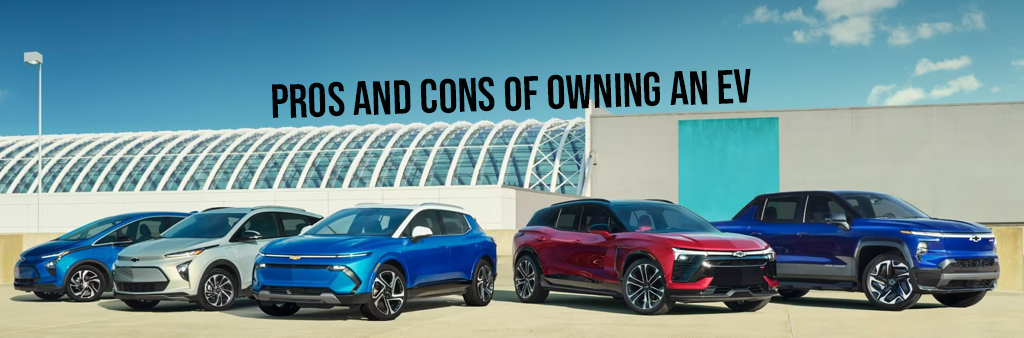
Pros and Cons of Owning an EV

As we become more aware of the impact of climate change, the transportation sector is quickly becoming a key area of focus for reducing greenhouse gas emissions. One option for reducing emissions is to switch from gasoline-powered vehicles to electric vehicles (EVs). While EVs have some clear advantages over gas-powered vehicles, there are also some challenges to consider when deciding whether to switch. more Pros of owning an electric vehicle: Environmentally friendly: The most obvious advantage of EVs is their environmentally friendly nature. EVs produce no tailpipe emissions and have a much lower carbon footprint than gasoline-powered vehicles. This means that driving an EV can help reduce air pollution and mitigate the impacts of climate change. Lower operating costs: EVs have lower operating costs than gas-powered vehicles. The cost of electricity is generally much lower than gasoline, and EVs require less maintenance since they have fewer moving parts. In the long run, owning an EV can be more cost-effective than owning a gas-powered vehicle. Energy independence: EVs can help reduce reliance on oil and foreign oil imports, providing greater energy independence and reducing the risk of oil price shocks. EV owners can charge their vehicles at home, meaning they have greater control over their energy supply. Smooth and quiet ride: EVs are much quieter and smoother than gasoline-powered vehicles because they have fewer moving parts. This makes for a more comfortable driving experience. Tax credits: Depending on where you live, you may be eligible for federal and state tax credits and incentives for purchasing an EV. These incentives can help offset the higher initial cost of purchasing an EV. Cons of owning an electric vehicle: Limited range: EVs typically have a shorter driving range than gasoline-powered vehicles, so they may not be suitable for long road trips. However, the range of EVs is improving rapidly, and many models now offer ranges that can accommodate most daily driving needs. High upfront costs: EVs are often more expensive than comparable gasoline-powered vehicles. However, as battery technology improves and production volumes increase, EV prices are expected to continue to decline. Charging infrastructure: Depending on where you live, charging infrastructure may be limited, making it difficult to charge your vehicle on the go. However, this is also improving rapidly, and many cities and states are investing in charging infrastructure to support the growing number of EVs on the road. Charging time: It takes longer to charge an EV than to fill up a gasoline-powered vehicle, so you'll need to plan ahead if you're going on a long trip. However, this is also improving rapidly, and many newer EV models offer fast-charging capabilities that can significantly reduce charging times. Battery life and replacement costs: The battery pack in an EV is expensive to replace, and the battery's lifespan may be shorter than the life of the vehicle itself. However, as battery technology improves, battery lifetimes are expected to increase, and the cost of replacement batteries is expected to decline. Owning an EV has both pros and cons. While EVs are more environmentally friendly, have lower operating costs, and offer a smooth and quiet ride, they also have some challenges, such as limited range, high upfront costs, and charging infrastructure. However, as technology improves and infrastructure expands, the advantages of owning an EV will become even more compelling, making the switch to an EV an attractive option for many drivers. As an EV owner, I can easily recommend an EV as a second vehicle in a two-vehicle family. They make getting around town an absolute joy and extremely cost-effective. For single-car families, or those living in an apartment without a place to charge, the EV movement may have to wait until the technology improves. Shop Our EVs

MayHeader

Donohoo Chevrolet's May Deals

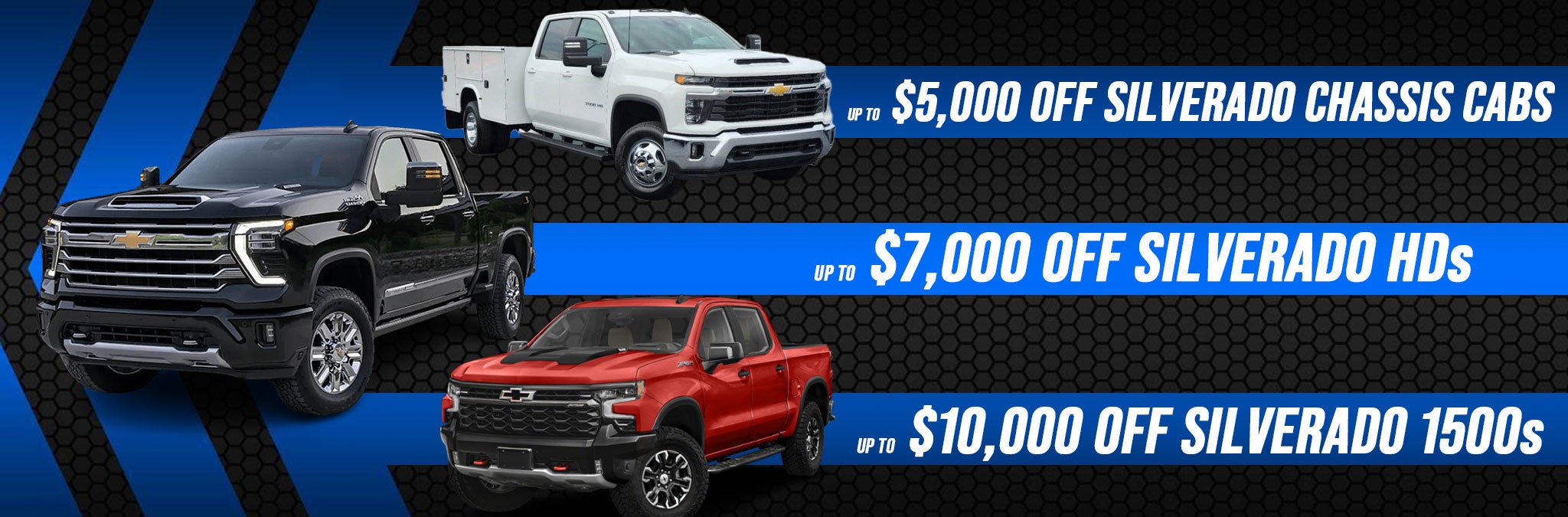
Please be aware that our discounts change monthly, aligning with Chevrolet's incentives. To avoid missing out, secure your vehicle today to take advantage of our current special rates. For those considering "On Order" vehicles—these are lined up for production and lack set MSRPs. Opting for these can be a time-efficient alternative to custom orders. Why Choose Donohoo Chevrolet? Transparent pricing with no surprises. Zero dealer fees. Our team consists of non-commissioned salespeople, ensuring unbiased assistance. We don't adjust prices based on market fluctuations. The price you see is final. Silverado 1500 Offers Donohoo Chevrolet is currently hosting a remarkable sales event featuring the Silverado 1500, known for its robust V8 engines. Dive into our extensive selection to find exceptional deals. Take advantage of remarkable discounts, with up to $10,000 off plus $2,250 Trade Assist on certain models or an incredible $22,000 reduction on the exclusive Rocky Ridge editions. Plus, experience the added perk of no dealer fees. Don't miss this opportunity to own a standout Silverado 1500 at an unmatched value. There is a trade assist this month. This is a GM incentive and is a rebate that you can qualify for by trading in a 2010 or newer vehicle. It is not included in our advertised price, rather gets added to your discount if you have a trade. 2024 Silverado 1500 Custom Gas are $7500 off MSRP and have an additional $2250 trade assist LTZ Diesel and 6.2L Gas are $6000 off MSRP and have an additional $2250 trade assist LTZ 5.3L Gas are $10000 off MSRP and have an additional $2250 trade assist RST Gas are $10000 off MSRP and have an additional $1000 trade assist RST Black Widow are $12000 off MSRP and have an additional $1000 trade assist WT 5.3L Gas are $6000 off MSRP and have an additional $2250 trade assist Custom Trail Boss Diesel are $6000 off MSRP and have an additional $2250 trade assist Custom Trail Boss 5.3L Gas are $6000 off MSRP and have an additional $2250 trade assist LT Trail Boss Diesel are $6000 off MSRP and have an additional $2250 trade assist LT Trail Boss Gas are $6000 off MSRP and have an additional $2250 trade assist ZR2 Gas are $9000 off MSRP and have an additional $2250 trade assist High Country Diesel are $10000 off MSRP and have an additional $2250 trade assist High Country Gas are $10000 off MSRP and have an additional $2250 trade assist On Order Silverado 1500s Produced Silverado 1500s Lifted and Off-Road Trucks more Introducing the Redesigned 2024 Silverado HD and Chassis Cabs with Custom Bed Options Donohoo Chevrolet boasts one of the nation's premier selections of Silverado Heavy Duty trucks, offering a wide range of models with significant discounts. This selection and pricing make Donohoo Chevrolet a top destination for customers seeking high-quality, heavy-duty trucks at competitive prices. Exclusive Offers for Silverado HD Crew Cab Models: Custom Diesel are $5000 off MSRP Custom Gas are $5000 off MSRP LT Diesel are $5000 off MSRP LT Gas are $4000 off MSRP LTZ Diesel are $7000 off MSRP LTZ Gas are $6000 off MSRP WT Diesel are $5000 off MSRP WT Gas are $5000 off MSRP ZR2 Diesel are $3000 off MSRP High Country Diesel are $6000 off MSRP High Country Gas are $5000 off MSRP On Order 2500HDs Produced 2500HDs Custom Bed Selections at Donohoo Chevrolet Donohoo Chevrolet stands out with an impressive array of Chassis Cabs, featuring beds from the leading manufacturers in the industry. Our inventory is not only extensive but also diverse, catering to various needs and preferences. These vehicles are readily available in stock, ensuring swift delivery directly to your home or business. The pricing is equally attractive, with significant discounts across different models: Special Deals for Silverado 3500 Crew Chassis Cab Models: $5,000 off WT gas Chassis Cabs $5,000 off WT diesel Chassis Cabs $4,000 off LT gas Chassis Cabs $5,000 off LT diesel Chassis Cabs Great Savings On Long Wheel Base Options $5,000 off WT gas and diesel - LT diesel $4,000 off LT gas $6,000 off High Country $7,000 off LTZ This selection, combined with ready-to-ship availability and attractive discounts, positions Donohoo Chevrolet as a premier choice for businesses and individuals looking for quality Chassis Cabs. Shop Commercial Vehicles and Work Trucks 24 Colorado Deals Trail Boss are up to $1,750 off MSRP LT are $1,500 off MSRP Z71 are $1,750 off MSRP Work Trucks are $1,500 off MSRP On Order Colorados Shop Colorados Donohoo Chevrolet SUV Deals The Chevrolet SUV lineup offers a diverse range of vehicles designed to meet various lifestyles and driving needs, emphasizing versatility, reliability, and innovation. Starting with the compact Chevrolet Trax, ideal for navigating city streets, to the spacious and family-friendly Chevrolet Traverse, which provides ample room for passengers and cargo alike, there's an option for every driver. The lineup also includes the Equinox, known for its balance of efficiency and power, and the iconic Chevrolet Tahoe and Suburban, which deliver exceptional performance and towing capabilities alongside luxurious interiors. In the mid-size SUV category, the Blazer emerges as a top choice for both families and adventure seekers, Each model in the Chevrolet SUV lineup is equipped with advanced safety features, cutting-edge technology, and thoughtful amenities, ensuring a comfortable, safe, and enjoyable driving experience for both short commutes and long journeys. Compact SUVs: Equinox: Strikes a balance between efficiency and versatility. Equinox: $6,000 off MSRP! Trailblazer: 24 Trailblazer LS and LT: $1,250 off MSRP! 24 Trailblazer all other trims: $1,750 off MSRP! Trax: Perfect for the daily driver. 24 Trax: $100 off MSRP! Mid-size SUVs: Blazer: Perfect for families and adventurers alike 24 Blazer: $5,000 off MSRP Traverse: Offers a spacious interior. 24 Traverse: $100 off MSRP! Full-size SUVs: Tahoe: Pairs luxury with performance Z71: $2,000 off MSRP! LS, LT, and RST are $3,000 off MSRP Premier and High Country: $4,000 off MSRP! Suburban: Emphasizes space and luxury Z71 and RST: $2,000 off MSRP! LS and LT are $3,000 off MSRP Premier and High Country: $4,000 off MSRP! Our deals don't just boast a vast selection; they deliver unbeatable value. These diverse options solidify Donohoo Chevrolet as a go-to destination for SUV enthusiasts. Tahoe Suburban Blazer Traverse Trailblazer Equinox Trax Electric Vehicle Specials The much-anticipated BOLT EV and EUV models are now available in our inventory. As a premier Chevrolet EV dealer in the southeast, we stand out for our exceptional service and diverse selection. BOLT EV $1,000 off MSRP Blazer EV $7,500 off MSRP Bolt EV Bolt EUV Blazer EV Equinox EV Silverado EV

BlazerEVReservations

Get Ready For Reservations - Blazer EV

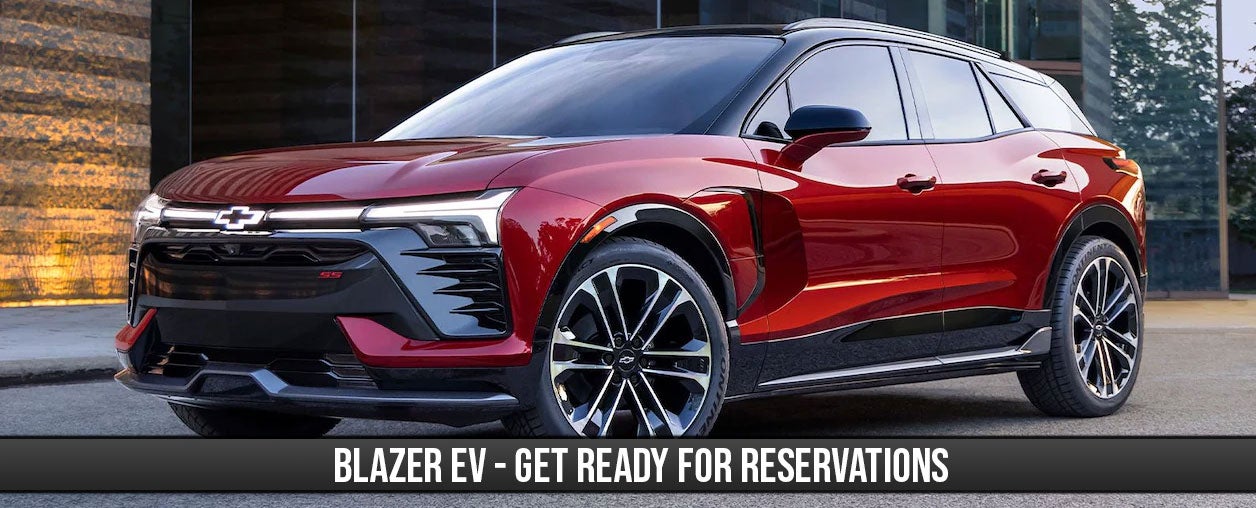
Let us start with a sales pitch. If you are going to reserve a Chevrolet Electric Vehicle, you need to reserve it through Donohoo Chevrolet. Why? Here is why: Guaranteed Discount from MSRP. Yes, this is an actual guarantee. We can't promise that GM won't change the MSRP before your vehicle is delivered, but we can promise to hold true to your discount. The Silverado EV is $2,500 off MSRP if you reserve with us. So it doesn't matter if you choose the base trim or the most expensive; you still get $2,500 off. The Blazer EV is discounted off MSRP. That is a guaranteed discount. The Equinox EV is discounted off MSRP. Yes, we promise a discount even before the official announcement. Donohoo Chevrolet has sold more EVs than 99% of Chevrolet dealers. We completed one of the first battery swaps in the BOLT and will continue to invest in the future of electric. You need to put your reservation in with someone who knows what they are doing with electric. End sales pitch. more Chevrolet has announced its all-electric Blazer electric vehicle will be revealed on July 18, 2022, at 8 pm PT/11 pm ET. Reservations will open on the same day. As we mentioned, using Donohoo Chevrolet as your facilitating dealership guarantees your discount. GM has been drip-dropping news on the Chevrolet Blazer EV since it was first teased at the GM CES presentation by CEO Mary Barra in January. At that point, it was a surprising sideline to the Silverado EV along with the $30,000 Equinox EV. Super Sport is a signature performance option package offered by Chevrolet since 1961. It implies that the new full image of the Blazer EV SS confirms that the first EV Blazer will be priced quite a bit higher than the $30,000 Equinox EV. Equinox EV Interior GM is finally starting to roll out some of the Ultium EVs CEO Mary Barra has been promising for years now. GMC started the year with limited numbers of Hummer EVs. GM's Spring Hill just started cranking out Cadillac Lyriq. Of course, the Silverado EV mentioned above and Equinox EV also are expected in the calendar year 2023. The company has plans to invest $7B in EVs and plans to have sales of 1 million EVs per year by 2025. Now that we can finally see the whole package, I have to say I like the look of the Blazer EV. We know from the previous drop that the indentation behind the front wheel will be where the charging port is. A lot is going on in the front of the car, but it isn't certain if it will support the camera equipment for SuperCruise. However, I suspect it will, at least in the SS trim. The big questions: AWD? Range? Charging speed? Interior quality? We'll find out on July 18. Reserve the Silverado EV

SopranoAd

Super Bowl Sopranos Ad Steals the Show

Did you watch "The Sopranos" when it was on HBO a few years back? Well, Chevrolet partnered with the creator and director of the show David Chase to create a 60 second Superbowl commercial. The ad, called "New Generation," aired during the first quarter of the game without any previews from GM beforehand. The commercial includes many of the same spots as the original introduction. However, instead of Tony Soprano driving a 1999 Chevrolet Suburban, it's the mob boss's daughter Meadow, played by Jamie Lynn Siegler, and she drives a 2024 Chevrolet Silverado EV. You can watch a side-by-side comparison below. more The spot features the original theme song of the show, "woke Up This Morning" by Alabama 3. It ends with the reunion of Meadow and her brother A.J., played by Robert Iler. They hug, and the voiceover says, "The first-ever, all-electric Chevy Silverado. A whole new truck for a whole new generation." A lot has changed since the show aired from 1999-to 2007. To put how fast Electric Vehicles have grown, the first Tesla wasn't produced until 2008. It is crazy to think how fast technology has evolved in just a little over a decade. While I personally would love to see a show about mobsters driving around in electric vehicles it may be something relegated to Super Bowl commercials and our imaginations for the time being. Chevrolet hasn't had a Super Bowl commercial since 2015. This ad was one of two that were aired this year. The second was a broader brand-focused ad that featured Dr. Evil, played by Mike Myers. I find it a little strange that the same man/organization that invested heavily into Starbucks would also be dabbling in electric vehicles, but what do I know? Here is that spot if you want to watch it.

Super Cruise

Super Cruise - The Better Driver Assistant

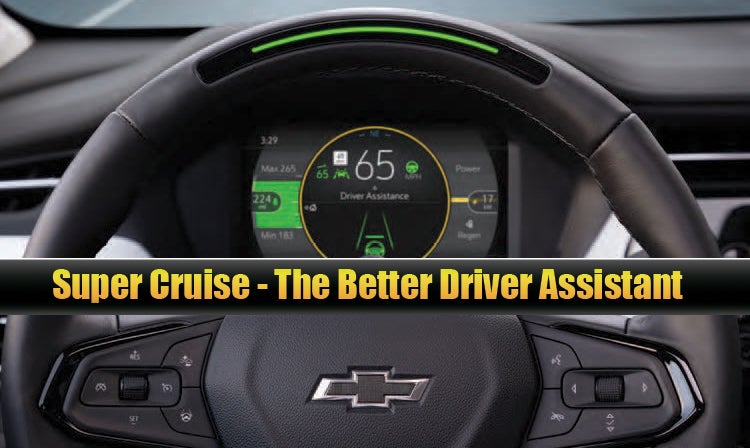
I will cover a somewhat controversial topic: GM's Super Cruise and why I think it's better than Tesla Autopilot. I believe Super Cruise is the best self-driving system available today in any car. Those who don't know Super Cruise is GM's self-driving system. It is fantastic, and we recently drove the latest version of Super Cruise in the new Cadillac Escalade, and today, I'm going to explain how it works and what makes it so great. Every new car brand has this. So you have Volvo Pilot Assist, Mercedes-Benz Intelligent Drive, Tesla Autopilot, and blah blah blah. Of course, they all have different names, but the basic idea is that the vehicle can drive itself based on specific criteria. These vehicles are equipped with various sensors and cameras that relay information to the car and tell it to speed up or slow down. The automation extends to the steering and braking functions as well. more Self-driving vehicles are getting common, especially in luxury cars. The second best system is Tesla Autopilot, but the best one is GM's Super Cruise. Super Cruise will be in 22 different GM vehicles by 2023, and 10 vehicles by 2022. We have orders in for the Silverado 1500 High Country with Super Cruise. These vehicles are available to reserve now by clicking here. You can also get Super Cruise on your Silverado EV, and you can reserve yours here. LET ME REPEAT. We have orders placed to build multiple Silverado 1500 High Country units with Super Cruise that have already been placed with GM. We anticipate ordering more, so if you want to get an order with the exact features and colors along with Super Cruise, contact us to start a sold order customized to your needs. Reach out to us to put an order in for exactly what you are looking for. What is Super Cruise and What Does It Do? GM came out with this truly fantastic high-tech self-driving system, and then they put it into lower sales volume vehicles like the Cadillac CT6 and the Chevrolet BOLT EUV. That is the main reason you haven't heard much about Super Cruise. GM designed this fantastic technology and limited it to some less desirable vehicles. These vehicles were equipped with an older version of Super Cruise and did not have automatic lane change. This kind of limited rollout makes sense as a way to make sure Super Cruise is everything GM expected it to be. The newer version found in the Silverado 1500 High Country is the one we tested. Super Cruise works in a very similar fashion to your standard cruise control. On the steering wheel, the cruise control buttons activate what at first looks like adaptive cruise control. Most luxury vehicles have a version of this, and it just means that your car will slow down if a vehicle is going slower than you are in your lane. Once the cruising speed is set and the car is ready, a gray steering wheel icon appears on the gauge cluster. That is when you know that Super Cruise is ready to be used. At this point, you don't have to activate Super Cruise if you don't want to and could continue to drive with standard adaptive cruise control. There is a second button on the steering wheel to engage Super Cruise. This button has the same icon as the steering wheel icon on the dash. When you click it, your steering wheel will light up blue, letting you know that Super Cruise is activating. Once the blue light turns green, you know the vehicle is driving itself. What happens next is pretty cool. As long as the green light stays illuminated, you can keep your hands off the wheel, and as long as you're looking forward, the green light will remain illuminated indefinitely. There are a few exceptions that we will talk about. With over 200,000 miles of eligible roads, Super Cruise can drive for hours without needing any input from you. It will steer, brake, and accelerate all on its own. The only requirement is you remain facing forward. The newest version of Super Cruise can even change lanes. When you're ready to change lanes or come up to a slower car and need to pass it, press the turn signal, the vehicle will start searching for an opening. Once it finds one, it automatically moves over and changes lanes. You can then stay in the lane, or once you pass the slower vehicle, activate the turn signal again and go back to your original lane. The vehicle does all of this without you having to touch the steering wheel. The minimal input is a nice touch and helps keep me engaged with the road. Since Super Cruise can make drives from Birmingham to Nashville or Atlanta to Dallas, it seems like an important feature to remind people that they are still behind the wheel of a car going over 60 MPH. There Are Two Limitations to Super Cruise There are two crucial limitations. Number one, as I've mentioned, to use Super Cruise, you must be sitting in the driver's seat and looking forward. You have to be watching the road. Super Cruise has this little camera mounted right in the middle of the steering wheel, and that camera watches your eyes. If your eyes aren't looking at the road, Super Cruise knows that you aren't paying attention and you're not engaging with what's happening in front of you, and you're a risk behind the wheel. So the green steering wheel light will begin flashing to remind you to focus on the road. It is worth noting that you can look away from the road for a few seconds without Super Cruise getting upset with you. While I don't recommend using those few seconds to text, the system was designed so you can change the radio station or climate settings without constantly being alerted to look at the road. After like eight to ten seconds, that's when it starts to flash the green light and Super Cruise begins the process of assuming you are no longer paying attention. Then, the nice green light will become an angry red flashing light, and Super Cruise will start to deactivate. The deactivation process begins by vibrating the seat, and it will start to slow the vehicle down. There will be an alert on the gauge cluster telling you to take control of the vehicle, as well as an audio alert. At this point, you will be forced to drive the vehicle yourself, and you will have to go through the activation process again if you want Super Cruise to continue driving you. The second limitation is Super Cruise will only activate on mapped roads. Those familiar with Tesla's Autopilot might scoff at the idea it will only work on specific routes, but GM has mapped almost every interstate in the USA. Here is a picture of the most up-to-date map. This limitation means Super Cruise is best used during a long road trip. However, GM is constantly adding highways, and they are currently making an effort to include major local roadways to the list. So while this version of Super Cruise can't get you from your driveway to your local store without any input, it does make tedious long distant driving much more enjoyable. Yes, Tesla owners, I know that is a significant limitation but be honest. Are you using Tesla's Autopilot on small in city roads? Do you trust that much? I think Tesla's Autopilot does a good job on the highway, but it is slow and scary to drive around town. So I don't feel like this limitation is a fundamental limitation. I love future technology, but I am not comfortable letting Autopilot drive a vehicle around an urban area. Why Super Cruise Is The Better Driver Assistant I feel like Super Cruise beats out Tesla because you are totally hands-off. The camera system that watches your eyes means you don't have to constantly tap the steering wheel to let it know you are paying attention. That is the method used by Tesla, and it gets frustrating on longer drives to have one hand loosely on the steering wheel, or if you do take your hands off the steering wheel, the alerts you get to tap the wheel. GM's system, by comparison, doesn't have constant alerts because it knows if you are paying attention from your eyes alone. I know that doesn't sound like a big deal, but you need to try them both. Trust me, that slight distinction was enough for me to give GM's Super Cruise the nod. If I were comfortable trusting Autopilot on street roads, I would say Tesla is better, but I simply do not. Instead, I want a system that requires very little input on my part and only for straightforward drives. That means the mapped road system GM uses suits me perfectly. I love it going through Atlanta. It handles traffic perfectly and makes it so I don't have to manage the break and gas, and the vehicle gets me where I am going. Super Cruise will require your vehicle to be connected. This means some sort of data program through OnStar. You will receive a 3 year trial period when you buy your Silverado, and after the trial ends, it will be $25 per month for Super Cruise.

Lithium EV Problem

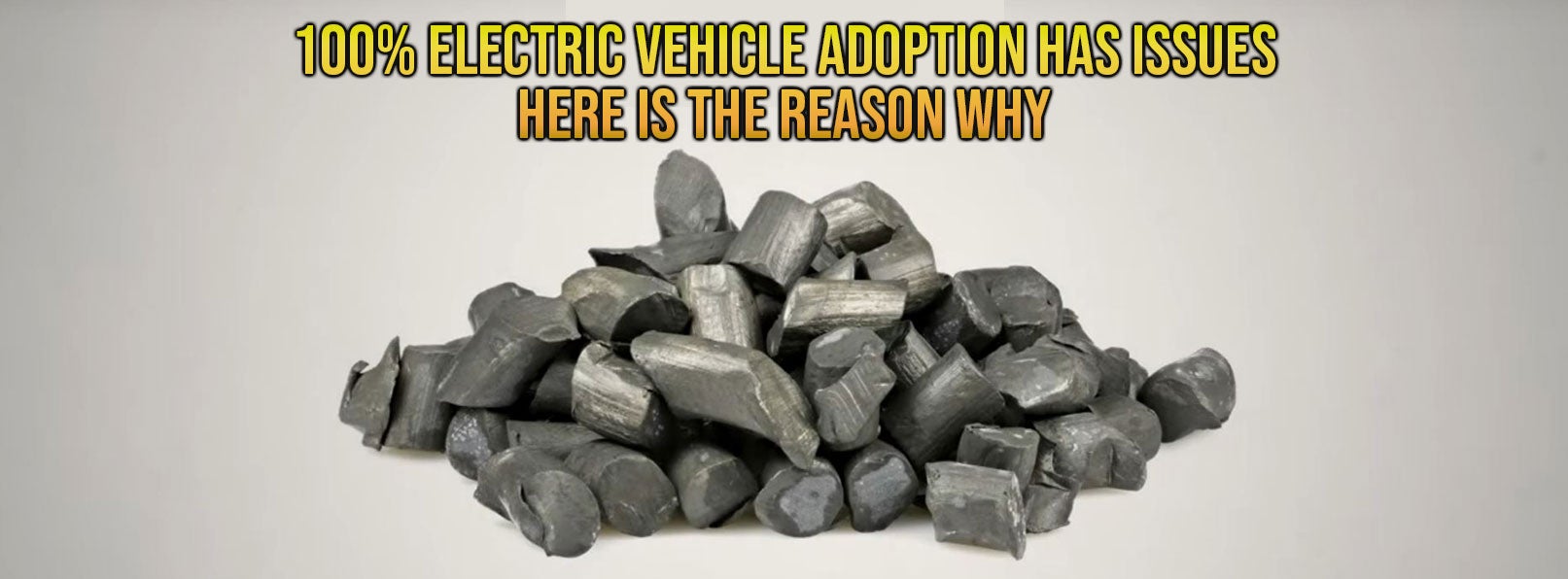
What is the Biggest Issue to 100% Adoption of Electric Vehicles?

This is lithium. Pretty soon, we are going to need a lot of it. Lithium is a useful metal. It spends its entire existence trying to get rid of its one outer electron, but, crucially, this reaction can be both controlled and reversed. That means, properly configured, the metal can discharge energy when needed, take in more energy, and then discharge that energy. Essentially, it can act as a battery. It's only been a few decades since lithium-ion batteries reached commercial feasibility, but, in that time, they have become the power source of choice for portable electronics thanks to their perfect blend of safety and lightness. However, the latest major tech boom, the latest infatuation of Silicon Valley and Wall Street alike, is centered around the most extensive consumer electronics product to date: electric vehicles. Electric vehicles need a whole lot of lithium. more Source: https://www.youtube.com/watch?v=9dnN82DsQ2k&t The UK, for example, has committed to banning internal combustion car sales by 2030. To replace its 31.5 million vehicles, about 236,000 metric tons of lithium carbonate are needed. To produce 236,000 metric tons of lithium carbonate, every lithium mine in the world would have to devote its output to this one use for nine months. So there are a lot more countries, a lot more lithium applications, and a whole lot more growth in the forecast. While the industry and its issues may be complex, how battery-grade lithium is produced is not. Four countries dominate the sector —Argentina, Chile, Australia, and China combined account for 92% of the globe's production. The metal is extracted from the ground at massive sites like the Greenbushes mine in Western Australia, the world's largest hard-rock lithium mine. The site was selected due to the abundance of spodumene in the area, a mineral containing large concentrations of lithium. Once the raw material is extracted from the ground, it's transported two and a half hours north to the Kwinana Lithium Plant near Perth—a facility majority owned and operated by a Chinese company, Tianqi Lithium, which is responsible for almost half of the world's production of the metal. Once refined, lithium hydroxide and other compounds are sold to battery manufacturers, which in about three-quarters of cases means one of three companies—LG Chem, CATL, or Panasonic. The problem, however, is the world's solution. In addition to the UK, Iceland, Belgium, the Netherlands, Germany, Denmark, Norway, Sweden, Israel, Singapore, and South Korea have each committed to banning the sale of internal combustion passenger vehicles within the next decade. Adding up their annual passenger vehicle sales numbers from 2019 means the absolute base-case demand for EVs a decade from now will be 9.5 million per year. To reach that, EV production would have to quintuple, but even the most conservative forecasters don't dare tread anywhere close to a number as low as 9.5 million in 2032. Finally, the market is waking up to what this means for lithium demand. Across 2021, Seaborne lithium prices rose from around $8,000 per metric ton to over $30,000—a 400% rise in a mere twelve months—and lithium is hardly the only crucial metal for lithium-ion battery production—it's just the one in the name. Cobalt and nickel are also critical to most commercially-available versions of these batteries, and the situation is hardly different with them. Cobalt prices doubled across 2021, while nickel rose to its highest price in a decade. So, the world needs a lot more metals, but right now, it's hard to believe the world's going to get them. Is The US Trying to Improve Lithium Production? What Hurdles Are There? The biggest hurdle the industry faces is best exemplified here: Thacker Pass, Nevada. Source: https://www.youtube.com/watch?v=9dnN82DsQ2k&t Thacker Pass is located in one of the most sparsely populated areas of the country. It's a half hour's drive to the nearest store, an hour to the nearest supermarket, and three to the nearest Starbucks. The few roads in the area are lucky to see a few cars an hour, traveling to and from the various remote farms, ranches, and communities dotting northern Nevada. That could soon change, though. 250 miles to the south is the Silver Peak Lithium Mine. This is the nation's only currently operating major lithium mine, despite the US being one of the largest EV markets and home to the world's largest EV manufacturer. China, also a major EV market home to major EV manufacturers, has made significant headway in building up its domestic lithium production capacity. The country's companies also have a significant presence at the world's other major lithium production sites. Getting beat at lithium production has concerned those in charge in the US. So naturally, sights are set on Thacker Pass—home to the US' largest lithium deposit. This site could singlehandedly propel the US into the ranks of major lithium producers, but getting a mine up and running there has proved… difficult. How significant lithium deposits are distributed across the world is rather cruel. Overwhelmingly, they're located in arid regions with little water availability, like Nevada. Thacker Pass receives less than 10 inches of rain a year. However, the extraction and processing of lithium require enormous quantities of water. It's expected that operations at the proposed Thacker Pass lithium mine would require 3,224 gallons of water per minute—roughly equivalent to the contents of a backyard, above-ground pool. That water would be used to pump into the ground as part of the extraction process, during refinement, and to conduct necessary dust control at the site. To get the water, the mine would have to pump it out of the ground using wells, but every acre-foot of water in the area is strictly allocated, given the degree of scarcity. So the mine has to buy up water rights from others to gain the legal right to use it. However, what that means is that there's a direct trade-off between one use and another, and in this case, the other use is predominantly ranching and farming—two key tenants to the local economy. In addition, there's a chance the project could do far more to further the inaccessibility of water in northern Nevada. The US Bureau of Land Management's Environmental Impact Study for the project found that it presented the distinct possibility of leaking unacceptable levels of arsenic into the area's groundwater table, which could take the entire region's water supply offline for hundreds of years. In a place where the availability of water undergirds almost all economic activity, that has people seriously concerned. The issues only compound on top of that. As Thacker Pass is, of course, a mountain pass, it acts as a wildlife corridor between the Double-H and Montana mountains—two biodiversity hotspots. Therefore, the environmental impact study found the project likely to destroy or deteriorate thousands of acres of habitat used by the pronghorn antelope, sage grouse, golden eagle, and other unique species. For interrelated reasons, the project also has several local indigenous tribes concerned—the most vocal is the Fort McDermitt Paiute and Shoshone Tribe. They say that during the era of American soldiers rounding up and shipping indigenous people off to reservations, two of the tribe's families hid out in the shelter Thacker Pass provided—so they directly attribute the continued existence of their tribe to the area. In addition, they consider the pass a sacred site, partly because of a historic massacre they say occurred there. This assertion, however, was directly challenged in a court case related to the mine project, and the judge rejected the claim citing a lack of evidence. To add to their opposition, the tribe put forward evidence linking the development of similar resource-extraction projects, which are predominately staffed by men, to increases in the rape and murder of indigenous women in nearby areas. Even just looking at these few headline issues, it becomes clear that the Thacker Pass lithium mine project is mired in a nearly insurmountable web of controversy and conflict, and it's hardly alone in that status. Much of the evidence opponents to the Thacker Pass mine have put forward is based on real-world experiences in the lithium triangle—the nexus between Chile, Argentina, and Bolivia that hosts some of the world's most productive lithium production facilities. In a similar situation—a remote, arid landscape punctuated by small communities home to a historically oppressed indigenous population—the lithium triangle has seen an economic boom. Still, it's come at the cost of environmental and cultural devastation. Just as the issues are not confined to one geography, they're not even limited to lithium alone. According to World Bank figures, some 70% of the world's cobalt, a crucial component to current battery tech, comes from the Democratic Republic of the Congo—the 8th poorest country in the world. While a majority of the cobalt mining is conducted by large mining companies with often shaky safety and human rights records, a concerningly large minority is accomplished through what's referred to as "artisanal" mining—a term defining the illegal, informal practice of individuals mining cobalt by themselves and selling it on to shady middlemen. The complete lack of safety standards or regulations in the sector means child labor and deadly mine collapses are rampant. In addition, for those that aren't directly injured or killed on the job, long-term exposure to cobalt mines has been linked to significant health effects later in life and fatal congenital disabilities for children in the region. Altogether, there's almost no such thing as ethical cobalt. There's also almost no such thing as green lithium. There's little appetite anywhere to increase lithium mining in the places where it's accessible, and little progress has been made in the DRC to make cobalt mining less socially disastrous. As demand for EVs and their batteries increases, getting more cobalt and lithium will be incredibly difficult. However, getting more cobalt and lithium that's more ethical and green, or even as ethical and green, will be next to impossible. But to decarbonize driving, solutions must be found. How Can GM Plan An Electric Future With So Many Limitations? Solid-State Battery Production Rather than finding more raw materials, one option is to need less of them. But, of course, the way to do that is by making batteries better. The most promising short-term innovation that could fulfill that mission is solid-state batteries. Whereas traditional EV batteries have a liquidy, viscous lithium-based electrolyte, solid-state batteries use a solid metal composition as their ion transport mechanism. This switch has many benefits, including a higher safety profile that reduces the risk of fire and, therefore, reduces the need for expensive safety features. Solid-state batteries can also be made without cobalt or nickel, eliminating two problematic and costly necessities in current battery tech. Most significant, however, is solid-state batteries' higher energy density and faster charging times. Traditional lithium-ion compositions used in EV battery packs store about 114 watt-hours of energy per pound. That means one pound of battery could move a Chevrolet BOLT EV, for example, 0.4 miles. Meanwhile, it's expected that solid-state batteries will be able to store between 175 and 225 watt-hours per pound— essentially doubling battery density. That means GM could halve the weight of their half-ton battery pack and not only keep range the same but increase it as the car would no longer need to carry the rest of the weight of the battery pack. On top of all those benefits, experts believe that, at scale, the production costs of solid-state batteries could be even less than the cheapest current lithium-ion batteries. However, the issue is getting to that scale. Battery production needs to occur in absolutely massive quantities to reach cost-competitiveness—an assertion backed up by the industry's current effective triopoly. The process of working down this cost curve is long as there are few applications where battery weight matters as much as with EVs, and EVs won't switch to solid-state batteries until their cost is competitive. Still, their cost will only become competitive when the industry reaches a production capacity that only EVs can provide. So, the industry has to wait for some level of scale to occur through niche solid-state battery applications in medical devices, race cars, and fighter jets; then wait for consumer electronics to realize the weight savings or battery life benefits the innovation could provide; then wait for the highest-end EVs to incorporate the technology to offer super-long ranges as a luxury; before solid-state batteries can finally reach a cost that would allow them to permeate into what will by then be the large segment of everyday EVs. Most estimates place that enticing end-goal more than a decade away. Even if the solid-state battery transition reaches fruition earlier, the world will still need a whole lot more lithium. Is There Any Ethically Sourced Lithium? Far from the potential environmental disaster at Thacker Pass is an existing ecological disaster—the Salton Sea. Source: https://www.youtube.com/watch?v=9dnN82DsQ2k&t A century ago, Colorado River floodwaters breached through an irrigation canal and accumulated, over the years, in the Imperial Valley's geographic low-point 236 feet below sea level. That massive puddle still exists today, but some of the water has slowly evaporated through time, leaving an ever saltier, dirtier accumulation of water. However, thousands more feet below are several underground volcanoes that superheat water to hundreds of degrees. If one brings that water to the surface, the pressure change leads to it transforming into steam and steam, of course, is what most power plants use to drive turbines. Traditional power plants use coal or natural gas to heat water into steam, but this steam is created by the earth—meaning it's carbon-free. That's why Berkshire Hathaway Energy has built ten geothermal energy plants in the area, but, crucially, this superheated water is filled with something else: lithium. Therefore, these geothermal plants are planning to add an extra step to extract lithium from the briny steam they use. However, there are undoubtedly significant technological hurdles that stand between now and a future of commercially-competitive lithium production at the Salton Sea, primarily as the metal only represents a tiny portion of the slurry of materials found in the water, but the lithium is there. As the largest existing energy company working around the Salton Sea, Berkshire Hathaway Energy is leading the charge thanks in part to a sizable federal grant and expects to have its demonstration facility up and running later in 2022. Some competitors have already started developing their lithium-extraction plays around the Salton Sea, meaning America's first lithium boom-town might already be a foregone conclusion. These are the solutions needed as the world transitions to electric mobility. Unfortunately, due to their reliance on batteries, electric vehicles are just dirtier than internal combustion vehicles to produce. Lithium can be recycled, but the process needs to advance to make it truly viable. That being said, the vast majority of emissions from cars, including from EVs themselves, come not from the production of vehicles but from driving them. If Lithium Mining Is So Bad Why Change to Electric Vehicles at All? The science on the issue is sound—electric vehicles, from production, to use, to scrapping, are responsible for about 75% less emissions than their internal combustion counterparts, even on current, fossil-fuel-based electric grids. Anyone who argues the opposite is either misinformed or attempting to disinform, and that gap will only widen as grids continue to decarbonize. However, there can be better alternatives to better alternatives. In the coming lithium gold rush, technologies will have to adapt to supply shortages and hopefully lead to a greener future. One that sees ethically and humanely sourced lithium and battery components. An important note to remember when discussing mining is natural gas is also mined and has numerous questionable methods to acquire it. The most critical aspect of natural gas is that experts expect us to run out of gas in the next 50 years at our current consumption rate. We have seen some arguments about the current grid not supporting charging electric vehicles. While there seems little doubt that EVs will increase the nation's grid load, "The transition … will be slow," contends Pat Romano, CEO of ChargePoint, one of the nation's largest public charging companies. The primary reason for his optimism is his expectation that 80% of EV owners now charge their vehicles at night, mostly from home, taking advantage of a general surplus of off-peak generating capacity. ChargePoint' s business model is based on the expectation that will remain the case as we advance. But, even in off-hours, the already creaky grid is likely to become still more stressed, requiring plenty of upgrades, on top of new generating capacity — whether fossil-fueled or renewable, experts agree. In the US, updating a power grid that hasn't seen significant change since the early 50s probably won't be a bad thing. TLDR: Lithium, Cobalt, and Nickle have significant sourcing and ethical problems that will need to be addressed to meet future battery demands. The US is looking at improving our production. Still, environmental concerns at Thacker Pass, Nevada, and technology concerns at the Salton Sea may delay the US from becoming a major player in lithium production. Future solutions will make electric vehicles genuinely viable such as solid-state batteries, but economies of scale will need to be achieved before they become commercially viable. We need to replace gas-powered vehicles to limit emissions and decrease our dependence on finite resources. Still, significant changes must be made to our infrastructure before that vision can become a reality.


Silverado EV Switch

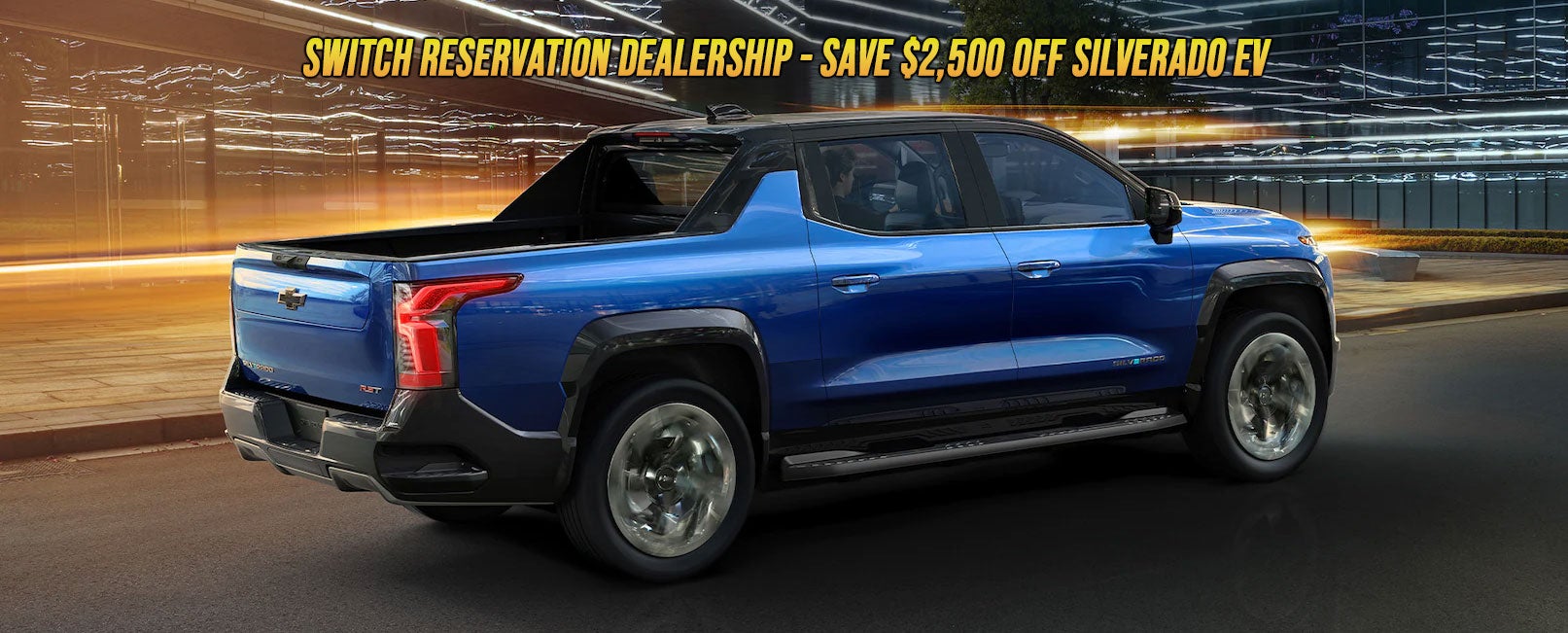
Switch Dealership and Save $2,500 - Silverado EV Registration

Have you reserved your Silverado EV, but the dealer you are dealing with won't guarantee MSRP? Switch your reservation, keep your place in line, and save $2,500 off MSRP. This FAQ will talk you through the process and why it is good to switch your dealership to us. If you have still not reserved your Silverado EV there is time. Follow the link here to reserve yours. more How do I change my reservation to Donohoo Chevrolet? Use your reservation ID and email to manage your reservation on Chevrolet's website. There is a link in your email to Manage reservations. There are two options. One is to change the dealer. It will get you a refund from the previous dealer and charge your card towards our dealer. If the other dealer does not refund it, Chevrolet will handle getting it refunded to you. The language on changing the dealer explicitly says you will NOT lose your place in line if you change dealers. If you cancel your reservation in the section below, it removes you from the line, and you will have to make a new reservation to get back into line back towards the end. If you have a 1st Edition Reservation, do NOT cancel as you cannot get another 1st Edition Reservation. But you can change the dealer without losing your place in line. When will it get built? Your reservation puts you in line, and when the time comes, you will get notified to work on your order with us. The order will get put into the system, and we will provide evidence of the order being placed to put your mind at ease. The 1st Editions will be delivered sometime around Fall 2023, and the next group will be around Summer 2024. So when you see that units are getting built in March 2023 as WTs, those are fleet orders and NOT customers in the reservation system you did. So do not equate WT being built with people jumping you in line. How can I learn more? There are some helpful places to go. First, you can utilize Chevy My Way for a virtual tour. https://www.chevrolet.com/myway/silverado-ev-vr. There will also be good stuff on https://www.chevrolet.com/electric/silverado-ev. Finally, there is an AR experience at https://silveradoevathome.com/. Why does the back look like an Avalanche? The extended C-pillars are rigidity for the pass-through. You can open up the back of your cab to extend your bed by 4 feet. This feature existed in the Avalanche as well. How do I know my place in line? That is information GM does not share with us. Why is Donohoo Chevrolet the right dealership to use for EV? We have sold more Bolt EVs in 2020/2021 than any Chevrolet dealership in Atlanta, Nashville, Birmingham, Charlotte, Louisville, Huntsville, Memphis – any dealer within 500 miles of us. We have over 40 of the 22 Bolts on the ground waiting to be sold and almost 70 used Bolts. We have replaced over 20 batteries on 17-19 model year Bolts under the recall. We have been selling Bolts since 2017, when they first came out. We have sold over 200 new Bolts and over 100 Volts. We have sold another 80+ used Bolts. Our sales staff understands the EV buyer and the EV product. We achieved that volume by committing to exceptional prices and service. We aggressively price the EV products to get customers interested and understand how incredible these vehicles are. You don't see market adjustments over MSRP on our new vehicles. We are committed to delivering value to the customer. Many of our top managers and owners have owned Bolt EVs and experienced what it is like to drive and own a Chevrolet EV product. Throughout our dealership, there is a commitment to serving EV customers.

Silverado EV Reservations

Silverado EV - Reserve Before They're Gone

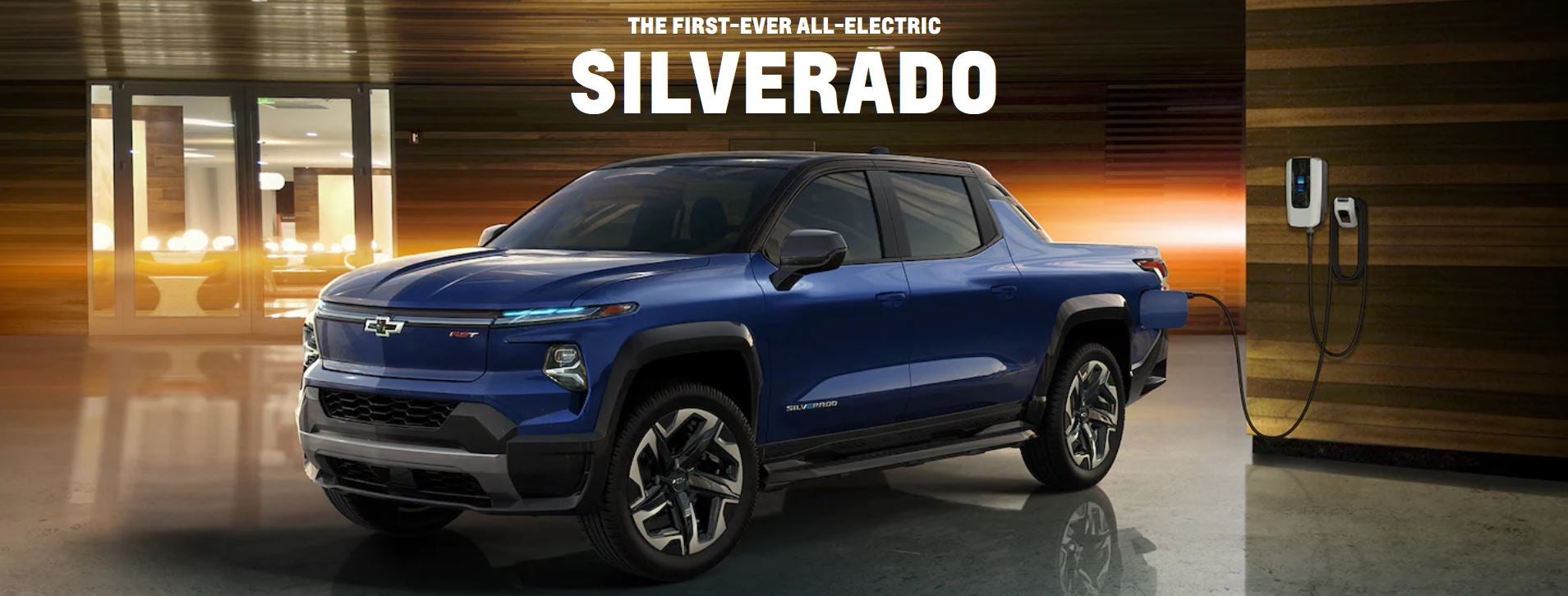
The Silverado EV has just been announced, and we could not be more excited. For those who already know about the Silverado EV and want to reserve yours click this link. Be sure to list us as your dealership (Zipcode 35967), and you will be guaranteed $2,500 off MSRP. Mary Barra got on stage and presented a ton of information about the future of GM and Chevrolet. First, she reaffirmed GM's goal of zero tailpipe emissions from light-duty vehicles by 2035 and expanded on that by adding heavy-duty vehicles to that goal. Then she talked about commercial partnerships with FedEx and Walmart for an electric fleet. Finally, after about 45 minutes, she got to what we were waiting for. more The Silverado EV appears to be everything we expected. 400+ miles of range, over 660 horsepower, 0-60 in under 4.5 seconds, and 780 lb-ft of torque. On paper, this truck has everything you need. The multi-flex midgate with pass-through combined with the multiflex tailgate gives over 10ft of bed utility, or you can leave the tailgate up and use a waterproof bed topper for a fantastic amount of lockable storage. That storage is in addition to a frunk (front trunk). The announced model will have up to 10,000 lbs of towing, and GM said they have plans to increase that to 20,000 lbs with future WT models. The four-wheel steering should make this truck a breeze to drive. As we said, we are excited. Exterior Styling We like the exterior look of this truck. The front end is aggressive, and they tied the headlights together using a mean-looking led lighting system. In our opinion, it is the best-looking front end of any EV truck announced so far. The back end is a pretty standard Silverado look with additional accents around the taillights and the steps on the side of the bumper. The side styling is very reminiscent of the Avalanche with an extended c-pillar, and the accented wheel wells and roof make sure this vehicle's profile will turn heads. The launch edition also included a panoramic sunroof that extends the entire width of the cabin and 24-inch aluminum wheels. Interior Design In the interior, the first thing you will notice is the infotainment and driver's gauge screen. The layout is very evocating of the new Escalade's interior screens. The two screens are almost connected and probably make it feel like you are in the cockpit of a fighter jet. There is a ton of storage like any Silverado, and the buttons are well laid out for everyday or work use. The only interior color is black, but we assume that will change once production ramps up. Additionally, this truck will use a right-handed lever to switch into gear, a surprise departure from the regular Silverado. Charging devices, or pretty much anything, should be a breeze with tons of electrical outlets and plugs all over the inside and outside of the Silverado EV. Mary Barra even said you could power another EV or your house with the truck. Reservations It appears that the Launch Edition Silverado EV has already been fully reserved. However, the WT and RST models are still available, which should be a 2025 model year. Here are the steps to getting your reservation in. The starting MSRP of the WT will be $39,990 + DFC. Step One: Follow this link and start your reservation. https://www.chevrolet.com/electric/silverado-ev/reservation Step Two: Choose your dealer. We recommend using us as your dealer because we offer $2,500 off MSRP on your Silverado EV. That is a big deal when some dealers are asking way above MSRP for gas Silverados right now. Just lock in your guaranteed savings. Our zip code is 35967 if you are having trouble finding us. Step Three: Give your information and a credit card to put down the refundable $100 deposit. This money is refundable if you decide you don't want it, so we encourage our customers to reserve if they are on the fence. We have heard that orders will be fulfilled on a first-come, first-serve basis. Step Four: Confirm your information is correct and finalize your reservation. Safety and Driver Assistant Features GM is excited about their no-crash future. In their vision, cars and even helicopters drive themselves, and people can enjoy their time in their vehicle without having to actively drive. Today, that dream is still a dream, but Super Cruise is a current reality. The system can drive your Silverado EV hands-free on more than 200,000 miles of compatible roads in the US and Canada. Even if you don't opt into Super Cruise, the Silverado EV will have automatic emergency braking, front pedestrian braking, lane keep assist, forward collision alert, intellibeam high beam assist, and following distance indicator. As a result, the Silverado EV will probably be one of the safest trucks ever made. GM is even going the route of Tesla with over-air updates to make sure your vehicle is always as up-to-date as possible. Charging, Range, and Batteries Most of the information on the Silverado EV's range and charging capabilities are subject to change. However, what we do know is promising. The Silverado EV should have a range of at least 400 miles and the ability to charge over 100 miles of range in around 10 minutes on public DC Fast Chargers. Not as easy as filling up your gas tank, but that is an impressive start. The Ultium batteries are said to have over a million miles of range, but there will be degradation over time with any lithium battery. We are hopeful that the Ultium batteries will outlast a gas engine and stay strong for many years to come. The Ultium system is modular, so if a battery pack starts going bad, we should be able to replace individual modules and lower replacement costs considerably. We hope you are as excited about the Silverado EV as we are. In addition, GM also announced the Equinox EV and the Blazer EV if a truck is not your thing. You can see more information on them by clicking the link here.

All Electric GM Future

GM Plans An All-Electric Future

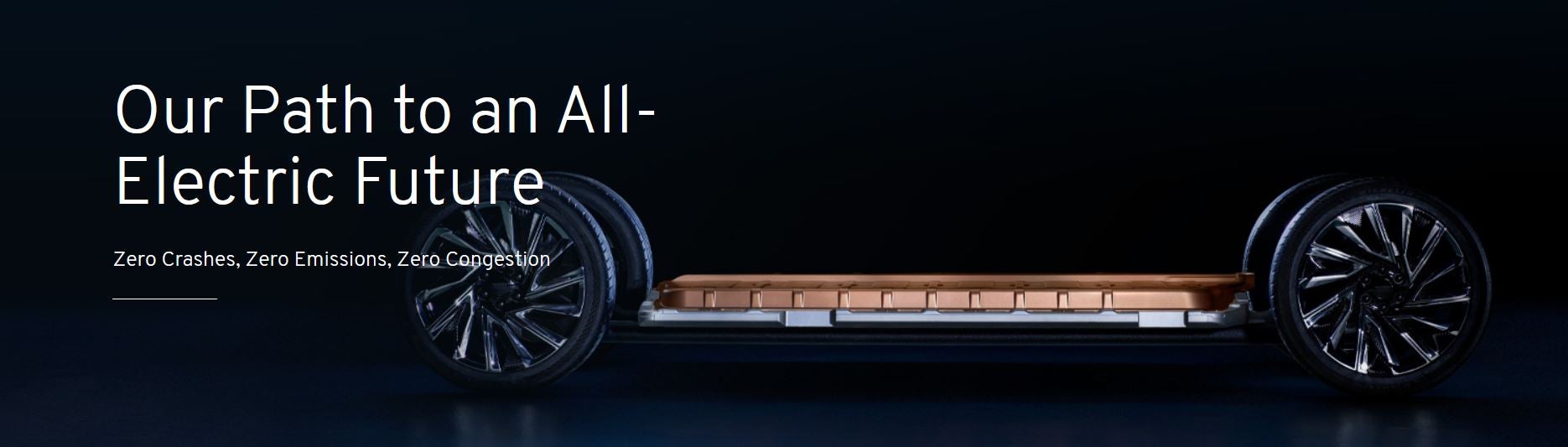
In January 2021, General Motors (GM) made a stunning announcement. It aspires to eliminate tailpipe emissions from new light-duty vehicles by 2035, meaning that GM intends to stop selling gas-burning cars. Over the past several years, GM executives have made announcements touting the carmaker's commitment to winning an all-electric future. But, of course, rivals such as Tesla, the world's most valuable automaker somehow, sell only electric vehicles. So GM saying they are going to win electric comes with stiff competition. more GM plans to introduce 30 EVs by 2025. It is part of GM's strategy to attack an emerging market and seize the first-mover advantage. Their goal is to become competitive and introduce technologies that other companies will attempt to emulate. GM executives are quick to say that no tailpipe emissions by 2035 are a goal and not a guarantee. But even with the walk back, GM's plan has skeptics. Concerns linger among auto industry insiders. They don't know if consumers are ready to fully adopt electric vehicles, at least not where they are today. Vehicle ranges are improving, but charging an EV still takes a lot longer than filling a gas tank. Moreover, many areas don't have sufficient charging stations, especially when comparing them to their gas counterparts. GM is not the only one that has made a significant commitment to electric vehicles. But some other automakers are spreading their bets out among electric hybrid and even more efficient internal combustion engines. So GM's commitment to going all-electric by comparison is a considerable risk. GM is expected to spend upwards of $35 billion on its electric investment by 2025. They have diverted numerous skilled engineers and designers off of gas vehicles and invested significant resources to develop the best electric cars possible. The automaker is planning crossovers, cars, SUVs, and trucks. That means the fantastic lineup you have today will be essentially unchanged except for the power source. This includes all four of the US brands. The only pure electric vehicles that GM sells are the BOLT EV and BOLT EUV. However, that will change soon after January 5th. The Silverado EV will be announced, and reservations will begin taking place. You can see our post about what we expect the reservation process to be like here. The GMC HUMMER deliveries will start sometime next year. The Silverado EV will be produced in the same American plant as the HUMMER, with deliveries sometime in the following year. Ultium batteries will be built in the Ohio and Tennessee plants making the electric future GM envisions a very American one. Underpinning most of these new electric vehicles will be the aforementioned Ultium batteries—a newly designed battery in partnership with LG CHEM. GM has said it aims to reduce battery cost well under $100 per kilowatt-hour by 2025, compared to the current $150/kW today. They also expect the new batteries to last for a million miles or more, with driving ranges of 500-600 miles between charges. These Ultium batteries will hopefully eliminate the two biggest concerns of EV adoption: range and battery life. GM's plans don't stop with just retail customer vehicles. They plan on producing a massive line of commercial vehicles. Therefore, it will be imperative for GM to establish itself in the commercial market and have a viable passenger and cargo van. GM is trying to accomplish this with their Brightdrop venture, including vehicle equipment and service for commercial electric fleets. FedEx is the project's first customer. General Motors released the EV 1 from 1996 to 1999, making it the first automaker to sell a mass-produced electric vehicle. However, despite customer satisfaction, the company could not make the business case for EVs and scrapped the project and crushed most EV 1s. Nevertheless, the market is more ready than it was in the 90s for EVs, and a report from Merril Lynch forecasts that by 2035, electric vehicles will make up about 31% of total light-vehicle sales worldwide. Boston Consulting Group estimates that pure electric cars will comprise 45% of light vehicle sales worldwide by 2035. Those of you who are good at math might have noticed something important. If these forecasts are for at best 45% adoption, why is GM making 100% electric by that year a goal? In 2020 GM had a market share of 8.7% of the world's automotive market. That market share is down since 2008, but GM has also drastically cut back on lower profit sales such as rental fleets. GM has mostly exited Europe and India and is currently heavily dependent on the US and Chinese markets. Now compare that market share to the overall electric vehicle market share of 2%. An increase from 2% to 45% would represent a paradigm shift in the auto industry. Maybe GM thinks it will gain more considerable worldwide appeal by leading the way in electric. China and Europe are already demanding more EVs, and the US has shown a growing taste for them. The question will be, can the infrastructure change fast enough to accommodate the growth GM expects? There are several barriers a consumer has to consider with an EV today. The first is the upfront cost. Electric vehicles are, on average, more expensive than their gas counterpart. However, the Ultium batteries should narrow that gap considerably. The next is the availability of charging stations. As of August 2021, there were 5,325 DC fast-charging stations in the US, compared with roughly 150,000 gas stations. Of course, you can charge your vehicle in your garage or the office, but many Americans may not have access to those conveniences. While the electrify America initiative is making strides towards decreasing that gap, it may be a few years still until that divide is no longer a factor. With all the doubts and concerns about electric vehicles, it does help to keep in mind the positives. First, an electric car is a simple and reliable piece of machinery at its core. The engineering masterpieces of an internal combustion engine, drivetrain, transmission, and all of the belts, hoses, and pipes that make an ICE vehicle run are vastly simplified in an electric vehicle. An ICE vehicle has over 2,000 moving parts that have to move in sync to ensure the car runs efficiently. An electric vehicle, by comparison, only has around 20 moving parts. You can make an electric motorcycle with nothing more than a battery, electric inverter, control unit, motor, and driveshaft. An electric car is only a little more involved than that. You will never have to worry about an oil change with an electric vehicle. Another reason to buy an electric vehicle is that it is simply fun to drive. I am sure you have seen Elon Musk talk about the insane 0-60 times Teslas can achieve. He doesn't tell you that that is a characteristic of all electric vehicles. It is insane to think that the GMC HUMMER EV has a faster 0-60 time than the ZL1 Camaro. If you have never driven an EV, I encourage you to give one a test drive. One foot driving with regenerative deceleration is a game-changer and hard to put into words. You will feel more in control behind the wheel than almost any ICE vehicle. We expect the Silverado EV to have similar performance numbers to the HUMMER. We don't know if GM will achieve its goal of no tailpipe emissions, but we are excited to see how the auto industry changes as electric vehicles become more mainstream. Like GM, we are taking a bet on EVs and are taking steps to become one of the top EV dealers in the nation. That means hiring knowledgeable electric technicians and investing in vehicle supply and accessories, so you will get precisely what you are looking for. We are working on getting the BOLT EV, and BOLT EUV recalls completed, but you can shop our current inventory by clicking here. If you want to save a little money and start your electric vehicle journey shop our used BOLTs by clicking here.

Silverado EV

Silverado EV - Get Ready For Reservations

We are Alabama's #1 Chevrolet EV Dealer – by a long shot. In Chevrolet's Southeast Region, which includes large cities like Miami, Atlanta, Tampa, Nashville, Charlotte, Orlando, Birmingham, and more, only two dealers sold more Bolts than us in 2020. Those were hundreds of miles from us in Tampa, FL. We have over 50 Bolt EVs, and EUVs combined either on the ground or on order. We also have a large selection of used Bolts. You will find us referenced nationally on Bolt forums for being one of the best-priced and most knowledgeable Chevrolet dealers. We are carrying on that tradition by educating you about the new Silverado EV and providing a compelling offering to make your reservation choosing us as your dealer. more Up Next, The Silverado EV! GM CEO Mary Barra will be debuting the All-Electric Silverado, powered by Ultium, at the consumer electronics show on January 5, 2022. Unfortunately, we don't know much right now, but here is what we do know. Although it shares its electric powertrain with the brash GMC Hummer EV, the 2023 Chevrolet Silverado EV should resemble a more classic take on an electric pickup truck. A large battery pack provides up to 400 miles of range per charge. Like the Hummer models, the Silverado EV should be available with up to three electric motors depending on trim; all-wheel drive will likely be standard. Chevrolet hasn't released full specs and information about the pickup but has said it will build it in Michigan at the same plant that will produce the Hummers. We expect the starting price to be around $50,000 when production is up and running. We think there will be a special launch edition like the GMC Hummer EV and the BOLT EUV. It is also likely that this launch edition will be available for reservations as early as January 5, after the reveal. How will the reservations work? This is speculation but is in line with what happened with previous models. You will need to go to the reservation site and be ready to complete the required information for submission. If the GMC Hummer is a clue, it had a four-step process once you go to the reservation website. Step 1 - Options for the trim level and configuration available for a Silverado EV will be displayed, and there will likely be a button to click to reserve. Step 2 - You will get to enter a zip code for searching a dealer or choose by dealer name and select a state (Alabama for finding us). Only dealers cleared by Chevrolet as prepared to accept reservations will show up. Donohoo Chevrolet will be one of those dealers. Step 3 - You will be asked to complete your customer information and provide a credit card number to make the reservation. The Hummer required a $100 deposit, and we expect the Silverado EV to be similar. The Hummer's deposit is refundable, and the Silverado EV's should be as well. We will let you know for sure when they make their announcement. Step 4 - You will complete the reservation agreement to get in line for ordering a new Silverado EV! A little tour of some of the fine print to expect. Your reservation is NOT transferable to another person. Due to production timing or other limitations, you may receive either a 2024 or later Silverado EV. GM will not guarantee the customer gets the reserved vehicle. There will be an estimated MSRP, and Chevrolet will have the right to change the MSRP at its sole discretion. The price will be negotiated between the dealer and the customer at the time of sale. How much will the Silverado EV Cost? The MSRP has not been officially announced, but we expect this EV to be comparable to its gas counterpart. The important thing will be reserving your Silverado EV from a dealership you trust to deliver an exceptional price. Look at what dealers are doing today as a window into how you will get treated with your Silverado EV purchase. We have heard stories of customers getting surprised with ten of thousands of dollars more than MSRP in pricing on Corvettes after the vehicle lands. You can see now dealers pricing thousands over MSRP due to "Market Conditions." But take a look at Donohoo Chevrolet's pricing. You will not see significant market adjustments meant to maximize profit on every vehicle. You will only see below MSRP vehicles. We are bringing that same focus on delivering value to customers to the new Silverado EV. If you make a reservation using Donohoo Chevrolet, your price will be $2,500 under the final MSRP of the Silverado EV. We have years of pricing aggressively lower than the competition to earn business and executing on using volume to deliver those savings to our customers. That is the same practice we will be bringing towards your new Silverado EV. Our sales consultants are EV Specialists and have long experience back to the Volt in working with EV customers. We understand how EV customers think and what they want. We will not be intimidated by the numerous tough questions EV customers ask us. That doesn't mean we will have every single answer at the tip of our tongue. We are amazed at the knowledge of our EV customers. We learn as much from them as they learn from us. We have embraced Chevrolet's EV vision and are ready and excited for the Ultium platform and all it brings to our customers in EV advancement. Stay tuned for January 5 when we come out with exact details on the Silverado EV and how to get one.

Contact Us

Fill out this form below and we'll contact you shortly
*Required Fields