




Blog / Buying Guides

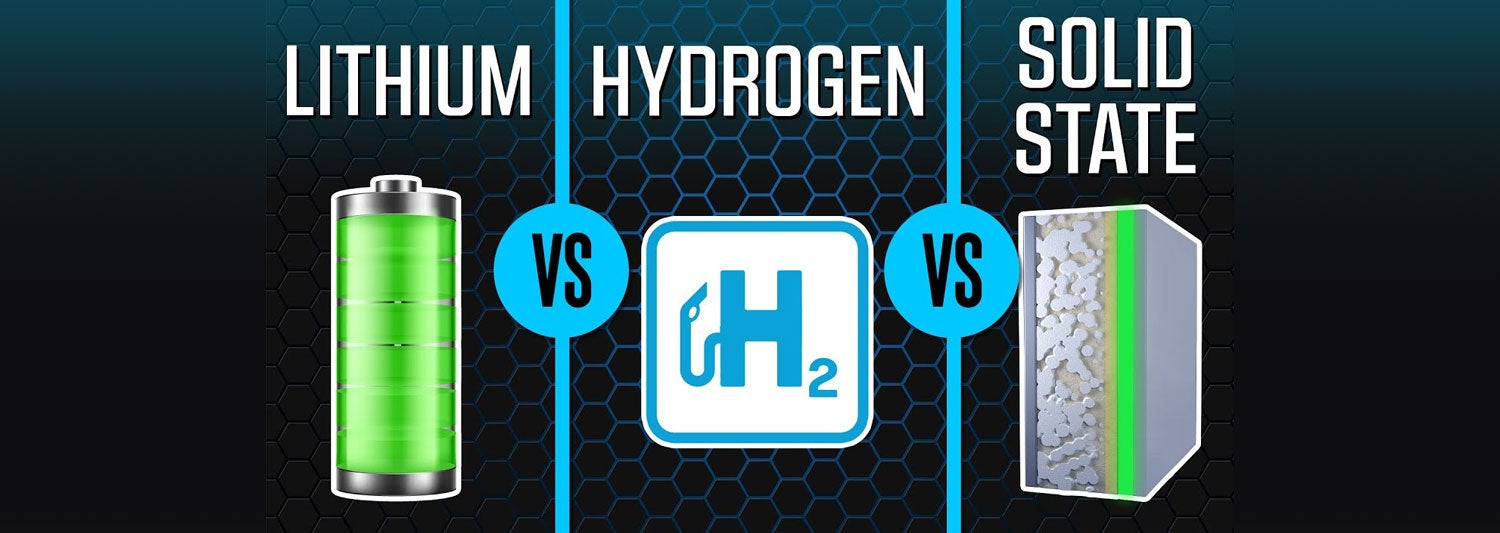
Lithium vs Solid-State vs Hydrogen - What is the future of electric

LvHvSS

While most consumers are driving and continue to drive gas vehicles, there are some companies, including GM, that would hurry the transition to electric cars. However, there are some issues with the adoption of electric vehicles.

Currently, electric vehicles have a limited range of only three to four hundred miles, and they take much longer to charge than it would otherwise take to fill your car tank with gasoline. Once ranges can be extended and charging time significantly sped up, they will be considered more practical. The important question is, how far away are we from fixing these issues?

In this blog, we'll be looking at different battery technologies currently in development, how close they are to being implemented, and the potential challenges each has that must be overcome.

Lithium batteries
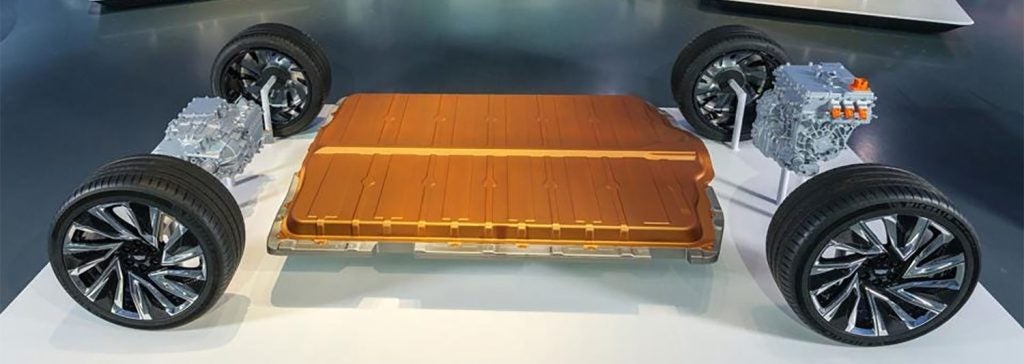
Unsurprisingly lithium-ion is the most common battery used in electric vehicles today. They are essentially scaled-up versions of the batteries found in consumer electronics. Instead of using a single unit like the one in your smartphone's battery packs, electric vehicles are made of thousands of lithium-ion cells. Those batteries give them a much greater capacity to provide enough energy to operate a large vehicle. Lithium batteries have a much higher energy density than traditional lead-acid or nickel-cadmium ones and are not only able to hold a larger charge but have a longer life span too.

While you may be familiar with lithium as being the lightest of all metals, lithium-ion batteries don't actually contain any metal and instead contain lithium ions which can be manipulated to store or release the charge within the battery unit. There's a positive electrode normally made from a lithium compound, a negative electrode made from graphite, and a liquid electrolyte material that fills the rest. When an electrical charge is added to the battery, lithium ions move from the positive electrode to the negative one. Then when energy is released from the battery, they move in the opposite direction.

Cons of Lithium Batteries:

There are problems in using a battery of this design, the most dangerous of which is the risk of overheating, exploding, or even catching fire under certain circumstances. Electric vehicle manufacturers have had to invest heavily in developing features to reduce these dangers, making them safe for use on the roads. Features like including cooling mechanisms to regulate the battery's temperature help improve vehicle safety. Still, it will always be an ever-present risk because they contain liquid elements that undergo frequent temperature changes during regular operation.

Another issue lithium batteries present is their usable life. In phones, for example, you only expect the battery to continue functioning for a year or two before its maximum charge cycles have been met. This only becomes a bigger problem when you make larger versions. Currently, most electric car manufacturers offer a guarantee that the battery will continue to work effectively for a minimum of eight years. Current estimates suggest that they should last between 10 and 20 years, but they will at some point need to be replaced. Of course, this has implications for the vehicle's resale value as it ages, but there are even bigger concerns for the waste this will produce.

After trying to improve the situation for the environment by using an electric vehicle in the first place, the last thing you want to do is create batteries that will eventually end up in a landfill.

Usability problems with lithium batteries are that they will always have a relatively limited range, and there's very little that can be done to increase the speed at which they can be charged. So while they're certainly suited to short-distance journeys, those who drive more than a few hundred miles at a time will be faced with extended charge times of up to an hour in some cases.

That's a hard sell when traditional combustion engine vehicles only take a few minutes to refuel.

There are, however, two other promising types of battery technologies that will eventually pass lithium-ion for vehicles of the future.

Hydrogen Fuel Cells
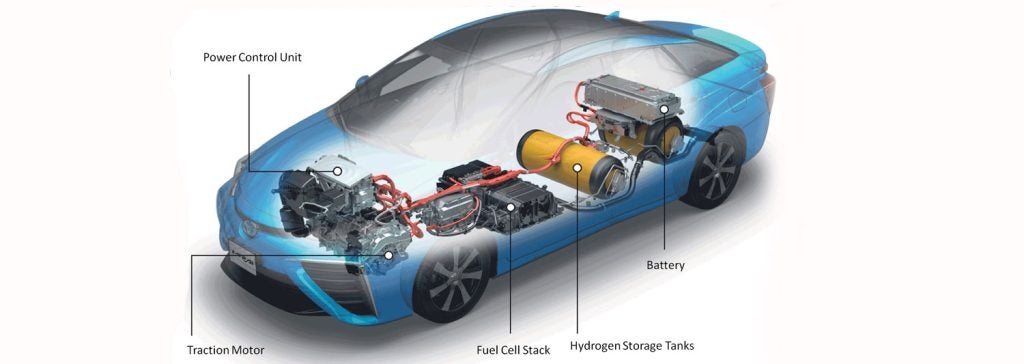
You may have seen that hydrogen-powered cars are already available, like the Toyota Mirai. While they aren't yet as prevalent as lithium power, they offer several advantages that mean they will likely become a viable alternative once enough infrastructure is available to operate them.

From a user's perspective, they work similarly to gas-powered cars, which is one of their greatest advantages. The vehicle's tank is filled with liquid hydrogen, which is fed into a fuel cell with oxygen. The reaction that takes place within the cell converts the chemical energy contained within the hydrogen to mechanical energy to operate the car. The only waste product created in the process is water vapor.

With the ability to refill a tank in just a matter of minutes and with a far greater range than lithium vehicles can offer in a single charge, there are several obvious benefits of using a hydrogen-powered car.

Cons of Hydrogen Power

There are, however, several disadvantages too. Not everyone is convinced this is a feasible technology for mass adoption, and various improvements will need to be made before large-scale use is possible.

The first thing that needs to be addressed is simply the cost of building hydrogen fuel cells in the first place. For example, installing the required infrastructure, gas stations will need to offer pumps that dispense hydrogen—fuel, which will require a massive investment upfront.

A particular concern is whether hydrogen-fueled cars have the energy credentials that consumers expect from an electric vehicle. They use, for example, an estimated three times as much energy to operate as lithium cars do for each mile driven. The energy that must come from somewhere and liquid hydrogen production is somewhat controversial. It's an element that doesn't exist in its liquid form in nature, so it must be manufactured, and more than 95 percent of the hydrogen created is done from natural gas. This means that fuel production releases just as many greenhouse gases and potentially even more than a traditional combustion engine.

The technology is essentially moving the problem from one place to another. There are other ways to produce hydrogen, such as the electrolysis of water but this is currently so cost-intensive that it's nowhere near being realistic. For everyday use as fuel for a vehicle, demand for hydrogen would have to significantly increase to make it worthwhile.

There's an element of a gamble involved in this technology. It is uncertain if zero immission hydrogen will become a thing or if companies like Toyota are willing to heavily invest in such a gamble.

Solid-State Batteries
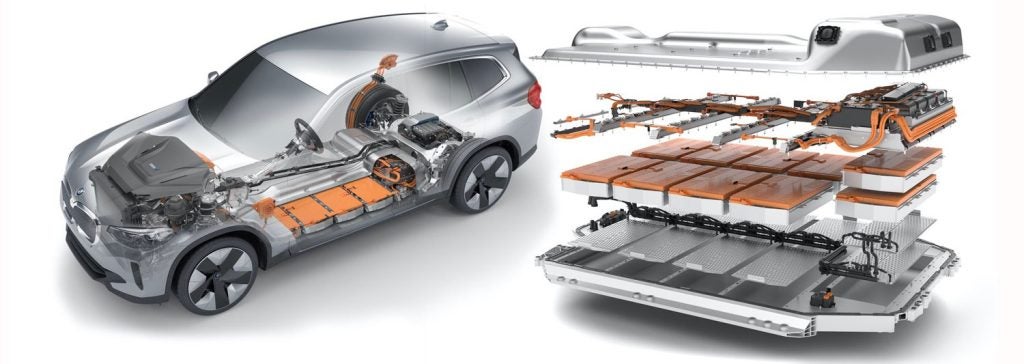
Probably the most exciting development for electric vehicles is the solid-state battery. While not ready for mass adoption, solid-state will be a complete game-changer when it is. Samsung is currently leading the way with numerous companies jumping on board.

By reinventing how a battery is made, engineers believe the range of an electric car can be doubled compared to its lithium alternative. Solid-state batteries have actually been in use for a long time in small devices such as pacemakers and RFID tags, but currently, it's impossible to recharge them.

What's new is that they've designed a way that allows the movement of the ions within the battery to be reversed, which is needed to add extra charge to them. They've done this by changing the electrolyte used inside the battery. In lithium-ion batteries, the electrolyte is a liquid, while in a solid-state battery, the electrolyte is solid.

This means the battery is the same power at about half the size. So manufacturers will have the option to double range or half battery size to reduce weight. For the most efficient vehicles, this could mean a range of up to 600 miles or more on a single charge, making most trips viable without having to schedule an hour to recharge midway. As a further advantage, researchers at Samsung also claim these batteries will have a longer usage life than Lithium-ion. They expect them to be able to be recharged more than 5,000 times before needing to be replaced.

This gives each vehicle an operating life of more than a million miles before significant maintenance is required. They take up less space, but they're also far more stable and don't have a significant fire concern. Without the extra cooling surrounding them, solid-state batteries weigh significantly less. Solid-state batteries are safer because they don't contain any liquid parts, so even if they're punctured in a crash, there isn't the same risk of being further injured from their contents.

Larger vehicle manufacturers have said that they see solid-state batteries as the future of electric vehicle technology. Toyota just announced a pretty major update on their solid-state battery technology.

Solid-state isn't quite ready to be incorporated into designs on a mass scale, however, and probably won't be for several years. Researchers are still trying to find the perfect atomic and chemical compositions for the solid electrolyte that can deliver enough power for the reliable operation of a vehicle. In addition, the batteries that are on the market are still far too expensive to produce at a mass scale for commercial use.

The most likely outcome is that solid-state batteries will first enter the luxury end of the market on vehicles that cost upwards of a hundred thousand dollars. However, once they've been proven to be effective and desirable, costs will eventually fall and become attainable within the price ranges of most consumers.

With such attractive battery technologies on the horizon, the future of the automotive industry is undoubtedly electric.

Have you gotten an electric vehicle yet, and if not, what's stopping you from making the transition? Let us know on the Facebook post.
Posted in:

Related Posts

Vs

Rocky Ridge Silverado 1500 vs. Black Widow Silverado 1500

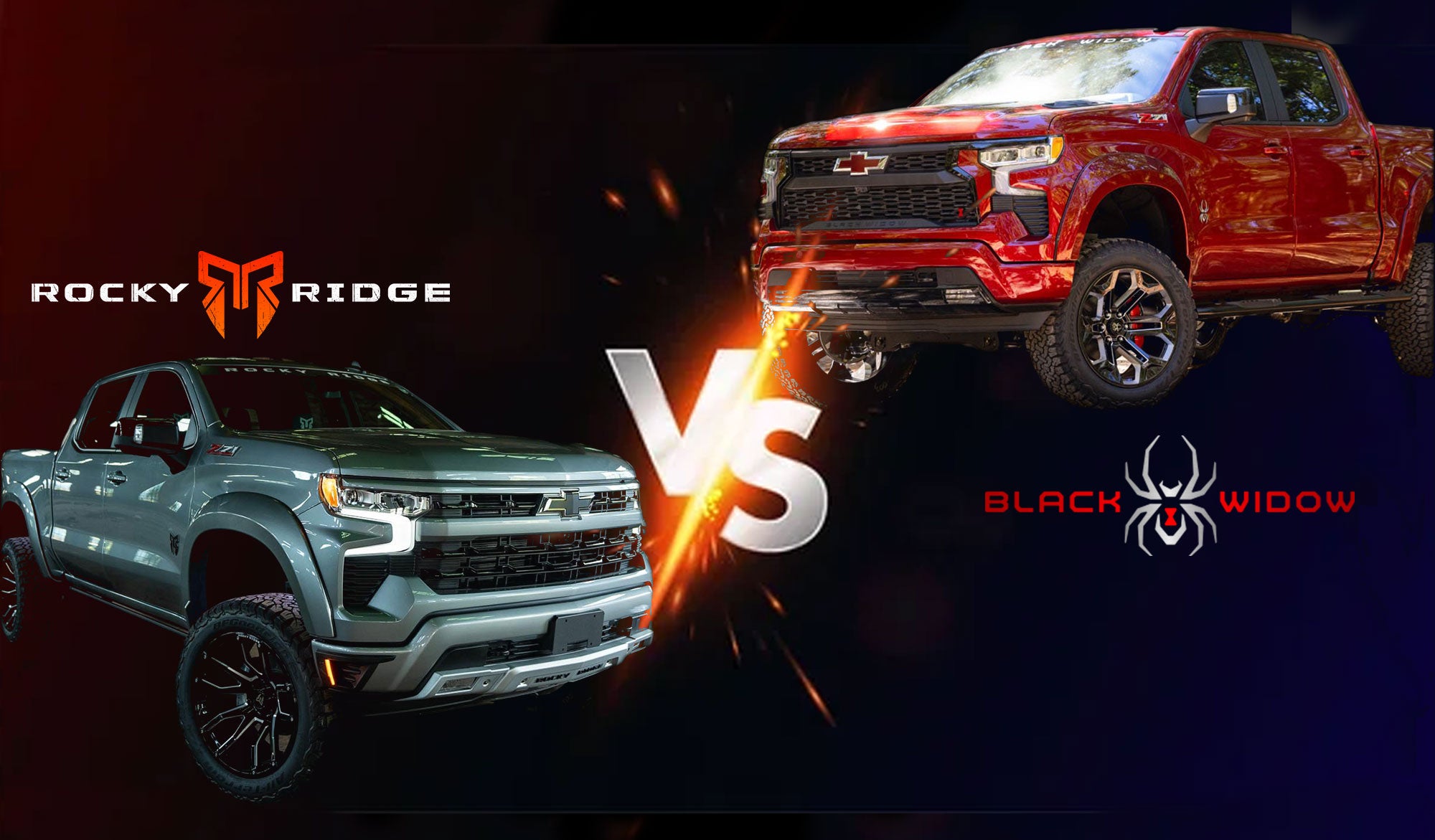
Here's a comparative breakdown between the two custom packages: more Rocky Ridge Silverado 1500 Shop Our Rocky Ridge Silverados The Rocky Ridge Silverado 1500 is a tough, rugged, and uniquely designed pickup truck that stands out on the road. With a focus on customized design and performance, it features premium suspension components from industry-leading suppliers, in-house designed wheels that exceed safety standards, and 35" AT KO2 all-terrain tires from BFGOODRICH®. The truck's distinguishing feature is its custom Rocky Ridge grille, designed to convey toughness and a distinct identity. With nationwide service availability, the truck comes with a 3-year/36,000-mile warranty and offers the option to finance the package price into payments, providing an assurance of quality and convenient purchasing options. Theme and Philosophy: Emphasis on toughness and attitude. Designed to ooze uniqueness and be distinct on the road. Suspension: Features premium suspension components from leading suppliers with specialized engineering. Wheels: Custom designed in-house and in collaboration with industry-leading wheel companies to ensure safety and a unique look. Tires: Uses 35" AT KO2 tires from BFGOODRICH® for longevity and all-terrain performance. Grille: In-house designed grille aiming to present a tough yet simple aesthetic. Warranty: Offers a 3-year / 36,000-mile warranty. Products: Exclusive designs and private label manufacturing. Service: Serviceable at any local dealership. Compliance: Components meet the Federal Motor Vehicle Safety Standards. Financing: Allows the package price to be financed into payment. Black Widow Silverado 1500 Shop Our Black Widow Silverados The Black Widow Silverado 1500 is a custom pickup truck offering a blend of class, luxury, and commanding presence. It boasts a 6" Suspension Lift Kit, FOX's proven damping technology for comfortable and predictable ride handling, and 35" AT KO2 all-terrain tires from BFGOODRICH®. Unique aesthetic features such as 20" wheels with customizable black painted rings, a bold proprietary Black Widow grille, and black hood vents contribute to its distinct look. With premium leather seating, custom upholstery, and red LED interior lights, the Black Widow offers a luxurious interior experience. The truck is also embellished with OE quality custom badging, showcasing the recognized spider logo and Black Widow name, reinforcing its premium status. Theme and Philosophy: Focus on confidence and commanding presence. Designed to be classy yet stand out. Suspension: Features a 6" lift kit with strong cross members, steering knuckles, and upper control arms. Shocks: Utilizes FOX shocks that provide a comfortable on-road ride and predictable off-road handling. Tires: Uses the same 35" AT KO2 tires from BFGOODRICH® as Rocky Ridge. Wheels: Standard 20" wheels with black painted rings. Offers custom color matching and bright red caliper covers for a unique look. Grille: Features a bold, proprietary Black Widow grille with custom painted details. Additional Features: Black hood vents, OE quality custom badging (including the spider logo and Black Widow name), and premium leather seating. Interior: Custom upholstery with the Black Widow logo in the headrests, custom stitching, and red LED interior lights for a luxurious feel. In Summary: Shop Our Black Widow and Rocky Ridge Inventory The Rocky Ridge package emphasizes toughness, ruggedness, and a stand-out design with its unique grille and wheel design. The Black Widow package focuses more on luxury and class, boasting features like custom upholstery, LED interior lights, and a uniquely designed grille. It also offers more sophisticated shock absorbers with FOX's technology. Both packages offer high-quality suspension systems and the same tire package. Ultimately, the decision between the two would boil down to individual preference regarding aesthetics and the balance between ruggedness and aggressiveness.

HDTransmissionHeader

2024 Chevrolet Silverado 2500 and 3500 HD: Enhanced Gas Transmission and Greater Display Capabilities

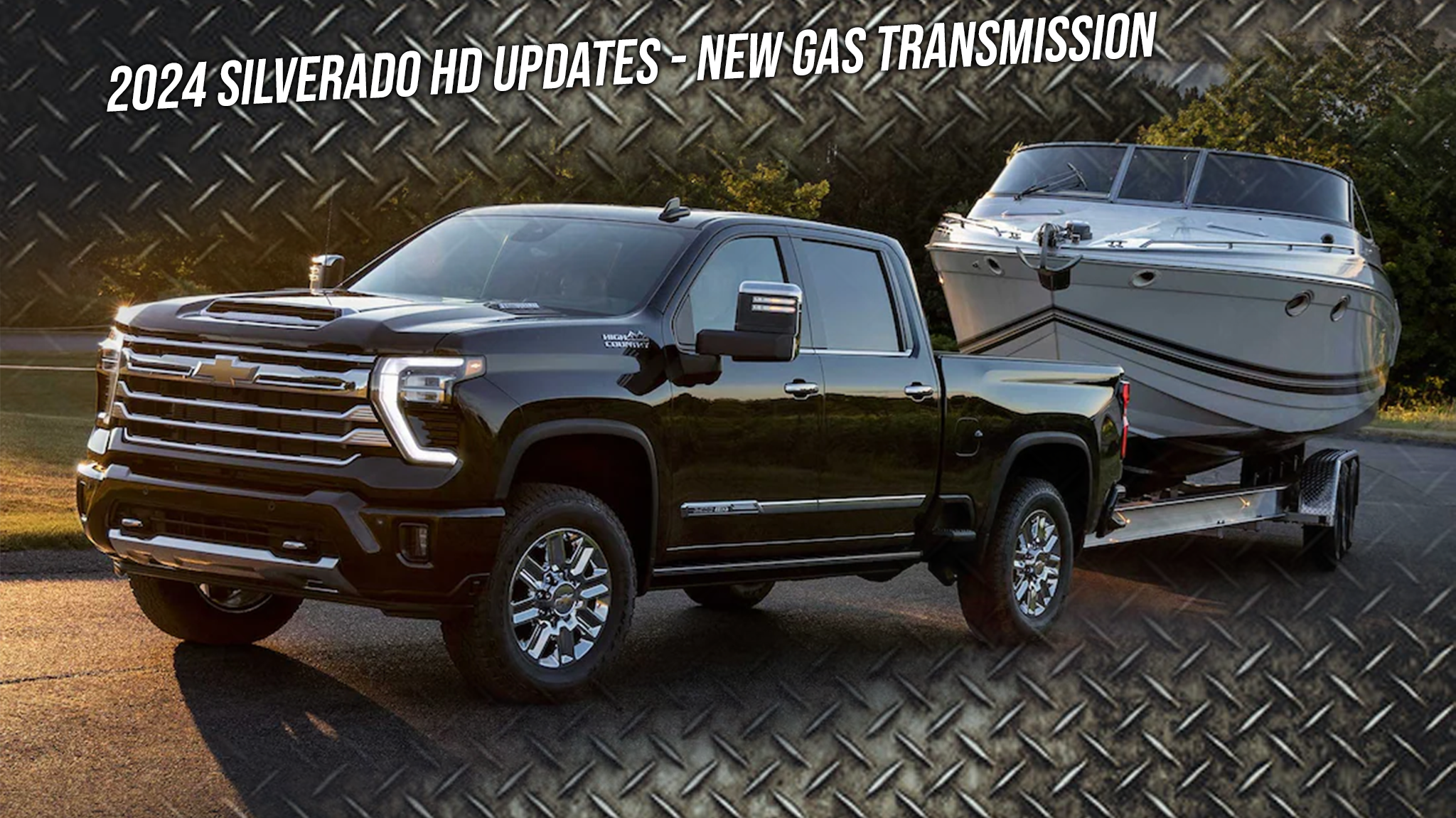
In 2019, Chevrolet rolled out its revamped Silverado 2500 and 3500 HD models, offering power and performance upgrades alongside a daring front-end design that raised quite a few eyebrows. With the mid-cycle refresh of the Silverado HD, Chevrolet stepped back from this audacious style, instead opting for a more subtle approach that mirrors the aesthetic of its light-duty models. Alongside these design changes, the 2024 Chevy Silverado HD models are packed with many interior enhancements where they were much needed. more Upgraded Gas Transmission, Power Enhancements Across the Board When introducing an updated truck, Chevrolet understands the importance of boasting enhanced power and hauling capacity. Keeping with this trend, the six-speed automatic transmission with the Silverado HD's standard 6.6-liter gas V-8 engine has been replaced with the Allison 10-speed, previously paired with the Duramax 6.6-liter diesel V-8. This change allows the gross combined weight rating of the gas V-8 HD to increase from 24,000 pounds to 26,000 pounds. The Duramax turbodiesel V-8 retains its Allison 10-speed transmission for the 2024 model but with more power on board. Changes to the engine's combustion process, which now boasts greater efficiency, result in an added 25 hp and 65 lb-ft of torque, culminating in 470 hp and 975 lb-ft of torque. This diesel engine can now be paired with the max tow package across all Silverado 2500 HD trims, increasing the towing capacity for trucks with this configuration to 22,500 pounds. The maximum towing capacity for the lineup remains 36,000 pounds for the appropriately equipped dual-rear-wheel 3500 HDs. A Rejuvenated Facade With a pronounced grille spear, the current Silverado HD design separates the headlights from the running lamps. The updated version, however, integrates these elements into a single unit. An elongated, curved LED accent light extends the truck's lighting vertically and frames the grille, with the primary lighting positioned high up, close to the hood's edge. Though the new design includes faux "intakes" under each headlight, the overall front-end look is much tidier than before. Not much change is noticeable in the rest of the exterior, although there are some fresh wheel designs and revamped taillight internals. For this 2024 update, Chevrolet wisely channeled its energy into refining the Silverado HD's interior, which had previously lagged behind other heavy-duty trucks, notably the Ram 2500/3500 pair and Chevrolet's light-duty 1500 counterpart. The updated Silverado HD now features a 13.4-inch central touchscreen across almost all trim levels and a 12.3-inch digital gauge cluster. Drawing on recent GM models, the Silverado HD boasts a revamped, horizontal button layout beneath the dashboard display. The switchgear appears more refined, even in photos. Though some of the buttons around the climate controls seem slightly fiddly, the physical controls for functions like seat heaters, defrost, and fan speed cannot be faulted. Chevrolet has also added air vents to the rear seat area, extra storage, a new center console with an optional wireless phone charger, and up to 10 cupholders. These updates predominantly apply to the LT, LTZ, and High Country Trim levels. The improved cabin, coupled with new technology, promises to make both commuting and towing more convenient. The HD models now offer adaptive cruise control for the first time, an option supplementing the standard forward collision warning, automated emergency braking with pedestrian detection, lane-departure warning, and a following distance indicator. The adaptive cruise control can even function with a trailer attached, adjusting for the trailer's added weight and aerodynamic drag. The updated "Transparent Trailer" tech, enabling a rearview as if the trailer were "invisible," is now compatible with gooseneck and fifth-wheel trailers. The blind-spot monitoring function has also been optimized for use with a trailer attached. The Silverado HD continues to be available in WT, LT, LTZ, and High Country trim levels. Being the most luxurious, the latter will now offer a blacked-out Midnight Edition package for 2024. Adding to the exciting updates, Chevrolet will introduce an off-road-focused ZR2 trim to the HD lineup, aligning with the rugged ZR2 versions of the smaller Colorado and Silverado 1500 models. Shop With Us Shopping at Donohoo Chevrolet gives you an expansive selection of hundreds of heavy-duty Silverado trucks. With an extensive fleet, you're guaranteed to find a vehicle that precisely meets your unique needs, whether for personal use, a tough workhorse for your business, or a reliable truck for your next off-road adventure. More than just variety, Donohoo Chevrolet is also committed to transparent and straightforward pricing. Unlike many dealerships, we have a strict no dealer fees policy. This means the price you see is the price you pay, with no hidden or unexpected charges. This honest approach makes your shopping experience easier, smoother, and, most importantly, more cost-effective. Choose Donohoo Chevrolet for your next Silverado, and experience the difference our commitment to customer satisfaction makes. Shop Heavy Duties with factory Beds Shop Heavy Duty Chassis Cabs

2500ZR2

2024 Chevrolet Silverado 2500HD ZR2

The 2024 Chevy Silverado 2500HD ZR2 is a heavy-duty truck that is designed to work hard and play hard. With beefy 35-inch mud-terrain tires, a lifted suspension, and spool-valve dampers, this truck is like an off-road semi-truck. It is the off-road pinnacle of the brand's heavy-duty truck lineup and comes with exclusive equipment, including a gigantic grille featuring the company's "flowtie" and ZR2 badges, different moldings around its wheel arches, and red front tow hooks. This fun-loving ZR2 joins the hard-working heavy-duty lineup and is only available on the 2500HD model configured with the crew-cab body style and standard-size cargo bed. Every Silverado 2500HD ZR2 boasts exclusive equipment, including a set of 35-inch Goodyear Wrangler Territory M/T tires mounted on black 18-inch multispoke wheels, making them the first factory-installed 35-inch tires on a Silverado. These tires pair with Multimatic DSSV spool-valve dampers, exotic shocks that use three separate spool valves to withstand off-road abuse and aid on-road composure. more The ZR2 Bison, the offspring of Chevy's partnership with aftermarket supplier American Expedition Vehicles (AEV), comes with additional equipment that helps it survive bigger beatings. The Bison alone comes with steel-stamped front and rear bumpers with recovery points and a winch accommodation, and tough bash plates. Underneath the Bison, there are a set of AEV-specific 18-inch wheels painted in gloss black. While the Bison has a slightly steeper breakover angle than the regular ZR2, the opposite is true of their approach angles, where the AEV model peaks at 29.8 degrees compared with 32.5 degrees. Their departure angle is identical at 25.7 inches, and ground clearance is similarly close at 11.6—11.7 inches. Inside, the ZR2 benefits from updates included with the Silverado HD's recent refresh. The interior materials are easy to clean, and the leather-appointed seats and dark trim look handsome. There's a 12.3-inch digital gauge cluster to go along with a 13.4-inch touchscreen for the infotainment system, which also provides access to the surround-view camera system. The truck also has a large head-up display and a wireless charging pad on the full-length center console. With four-wheel drive and an Allison 10-speed automatic transmission as standard, buyers can choose between the base 401-hp gas-fed 6.6-liter V-8 or the optional Duramax diesel 6.6-liter V-8, which generates a substantial 470 horses and 975 pound-feet of torque. The gas engine supports 16,000 pounds of conventional towing and up to nearly 3400 pounds of payload. While the diesel has a higher tow rating (18,500 pounds), its payload capacity is capped at 3200 pounds. The 2024 Chevy Silverado 2500HD ZR2 is a perfect blend of hard-working and fun-loving, offering excellent off-road capability and powerful performance for all your work and play needs. Shop Produced 2500HDs Shop On-Order 2500HDs